Beyond the Flat Canvas: Sculpting with Modelling Dough
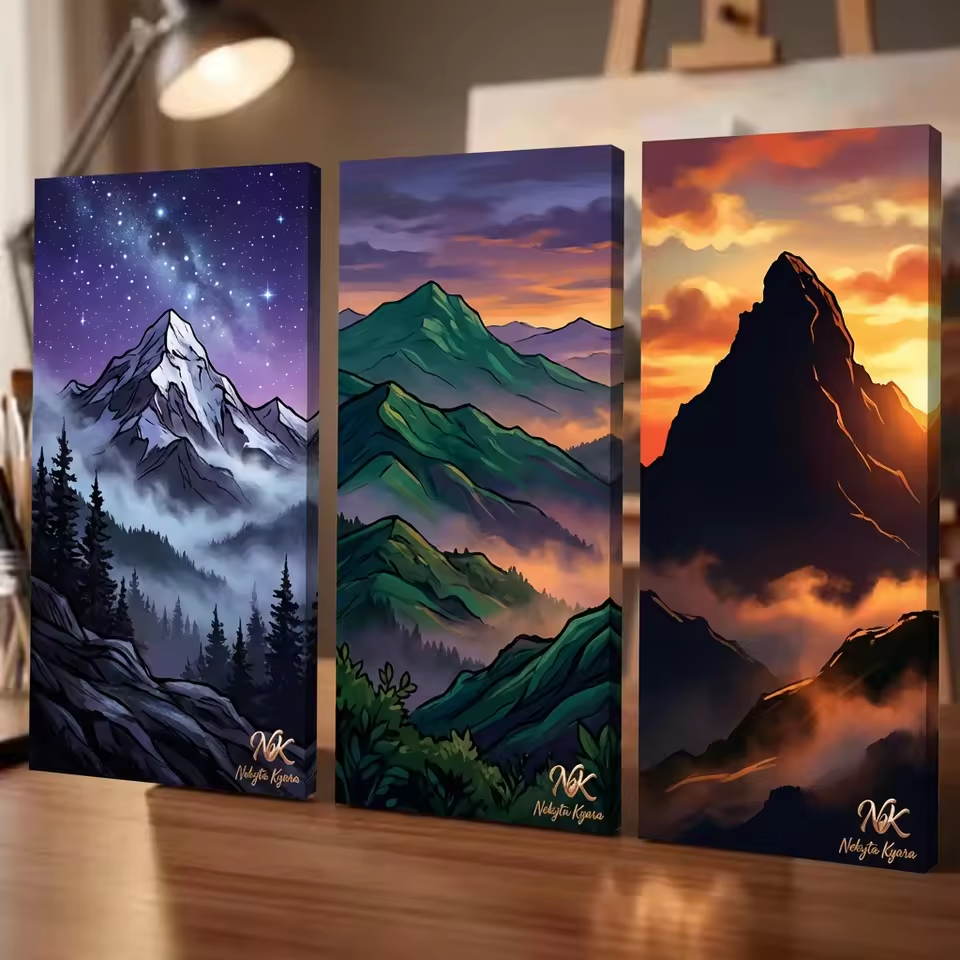
A painting does not have to be flat. This seems obvious when I say it, but it took me years to fully understand what it meant in practice. When I discovered modelling dough as a tool for building texture on canvas, it changed everything. Mountains have weight. They should feel like it.
Building the Landscape
Before I apply a single drop of paint to a canvas, I sometimes spend hours building the physical landscape of the painting in modelling dough. I press ridges and peaks into the surface, smooth valleys and plains, create the topography of a landscape that exists, for the moment, only in my hands.
I work with sculpting tools — a fine point for the sharp edges of rock, a flat blade for sheer cliff faces, a loop tool for the rounded forms of boulders. The dough is forgiving at this stage: I can add more, remove some, reshape entirely. But once it dries, it is permanent. The landscape is set.
Building a landscape in modelling dough before painting it is like writing the first draft of a story. You discover what it wants to be by making it, not by planning it.
Paint Over Texture
When the modelling dough is dry and the surface is ready, the painting begins. And this is where the texture reveals its purpose.
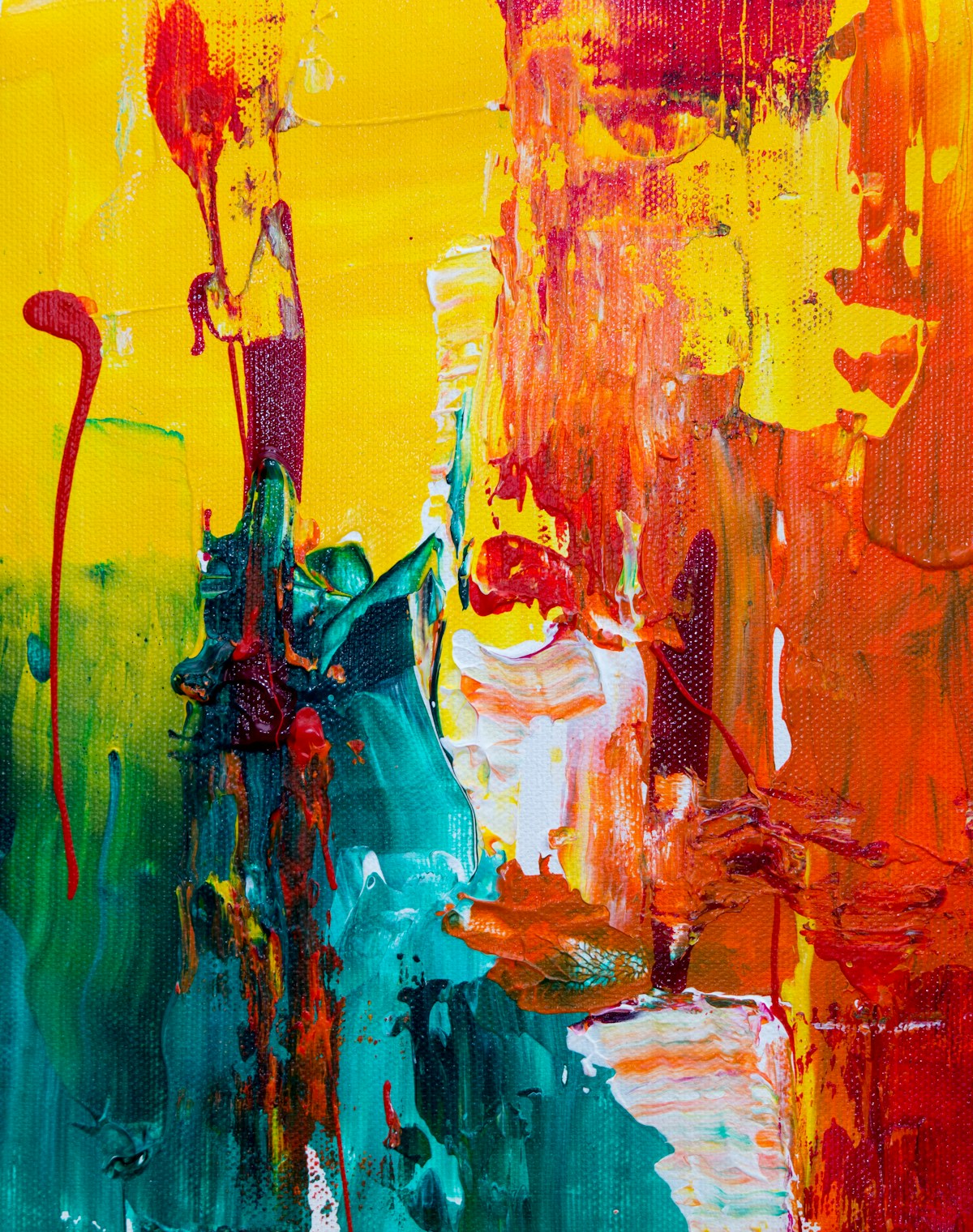
Paint behaves differently on a textured surface than on a flat one. It pools in the recesses. It catches on the raised edges. It creates natural variations of tone and depth that would take hours to achieve with brushwork alone. The texture does half the work for you — you just have to understand what it is offering and respond to it.
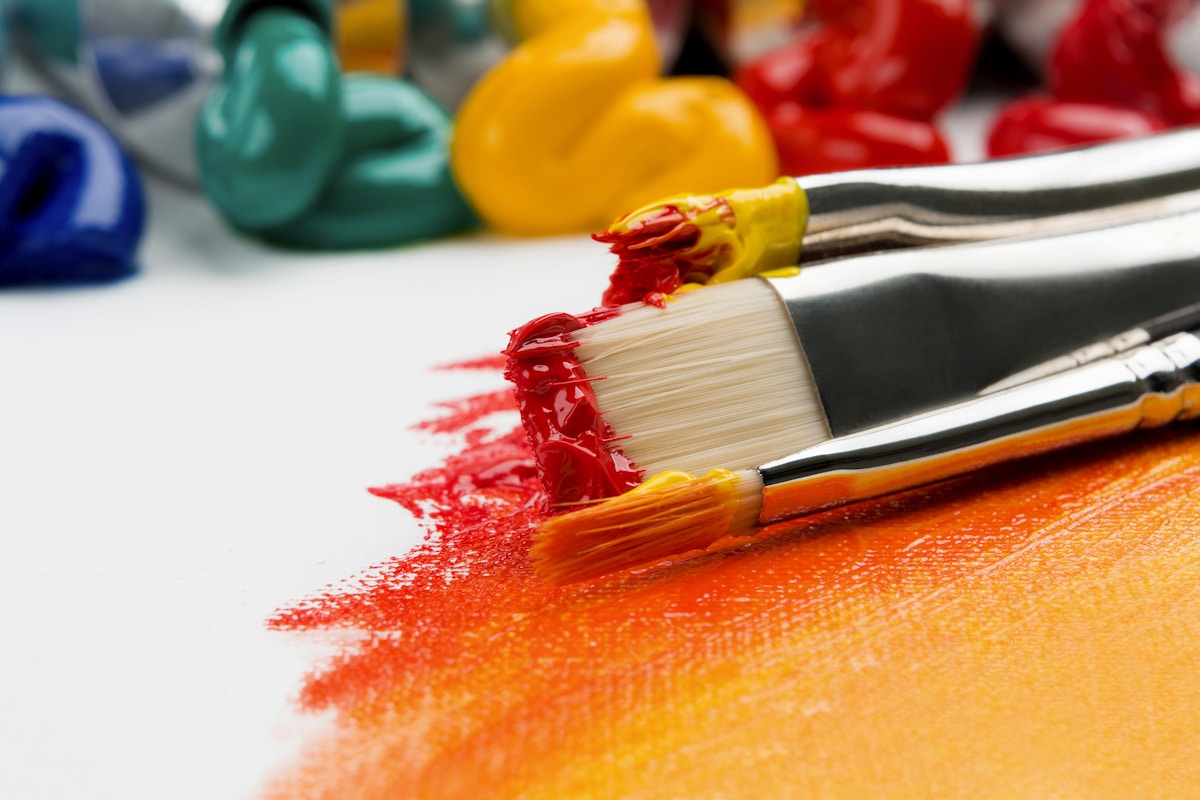
I use acrylic washes over the textured surface, letting the paint flow into the valleys and build up on the peaks. Then I work back into it with more concentrated colour, with Chinese ink for the deep shadows, with fine brushwork for the details. Layer by layer, the landscape comes to life.
The Waterfall Series
My waterfall paintings rely heavily on this technique. Water in motion has a particular quality — the way it catches light, the way it breaks over rock, the way it seems to both reflect and absorb the colour of its surroundings. To capture that quality in paint, I need a surface that has the physical reality of rock.
I build the rock faces in modelling dough, creating the ledges and overhangs over which the water falls. Then I paint the water itself — long, fluid strokes of white and pale blue over the dark rock, using the texture of the surface to create the impression of movement. The water seems to flow because the rock beneath it is real.
What Sculpture Teaches Painting
Working with modelling dough and sculpting tools has made me think about painting differently. It has reminded me that a painting is a physical object, not just a visual one — that it has weight and texture and presence in a room, not just an image on a wall.
The best paintings I have made are the ones where you want to reach out and touch the surface. Where the texture invites the hand as well as the eye. That is what I am always working towards.
Nekyta Kyara
Contemporary Artist & Studio Practice